JOHN THOMPSON LEGACY CENTER
VISION
Freedom to Grow is developing the John Thompson Legacy Center as a museum, organizing lab, archive, and vibrant garden. The Legacy Center will chart the under-told history of resistance in Louisiana that connects abolitionist struggles across time, from enslavement to mass incarceration.
Across generations, people held in confinement have turned to creative practice and collective care as tools for survival and transformation. Through art, archival storytelling, and, crucial to our mission, the grounding gifts that plants provide, this space will unlock the imagination of those engaging to dream of a far-kinder and safer future for us all.
We anticipate a full opening in September of 2028. As we expand our programming to reflect our growing vision, we continue to operate as a community center hosting the Abolitionist’s Apothecary, Solitary Gardens’ Greenhouse.

JOHN THOMPSON’S LEGACY
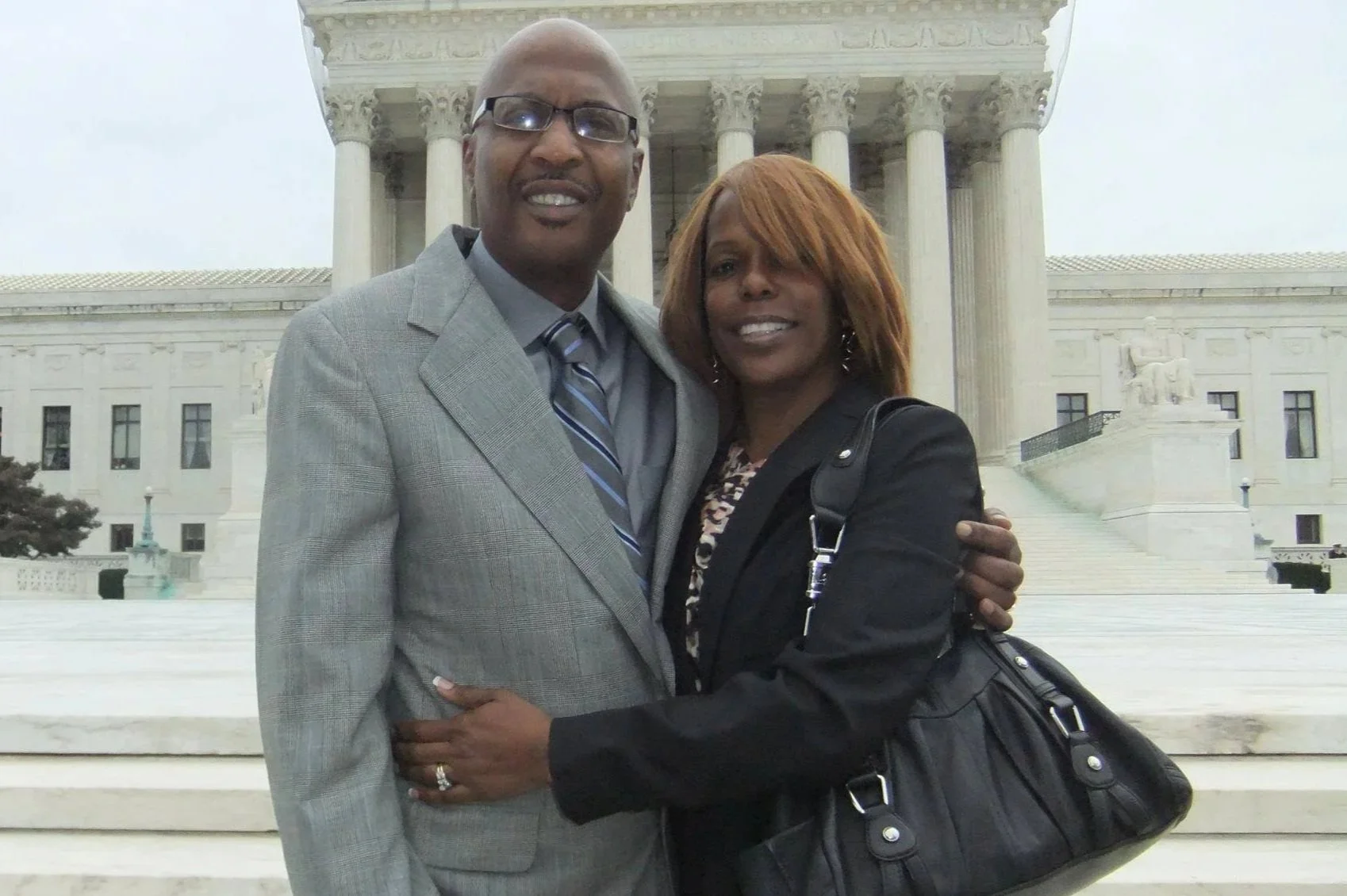
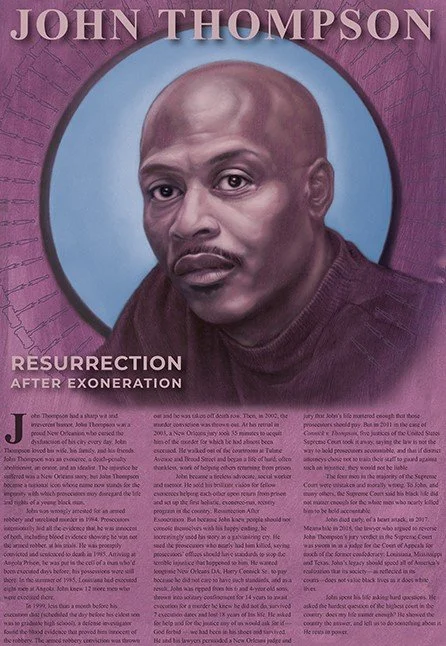
John Thompson (JT) was a beloved innovator, visionary, and leader in the movement to center the lives and legacies of formerly and currently incarcerated people. JT spent 18 years wrongly incarcerated, including 14 years on death row at the Louisiana State Penitentiary. While incarcerated, he endured 7 stays of execution, before being exonerated of all charges in 2003 when it emerged that then-District Attorney Harry Connick, Sr’s office withheld key evidence. He took his case to the highest court in Louisiana, winning an $18 million judgement which was eventually overturned by the Supreme Court.
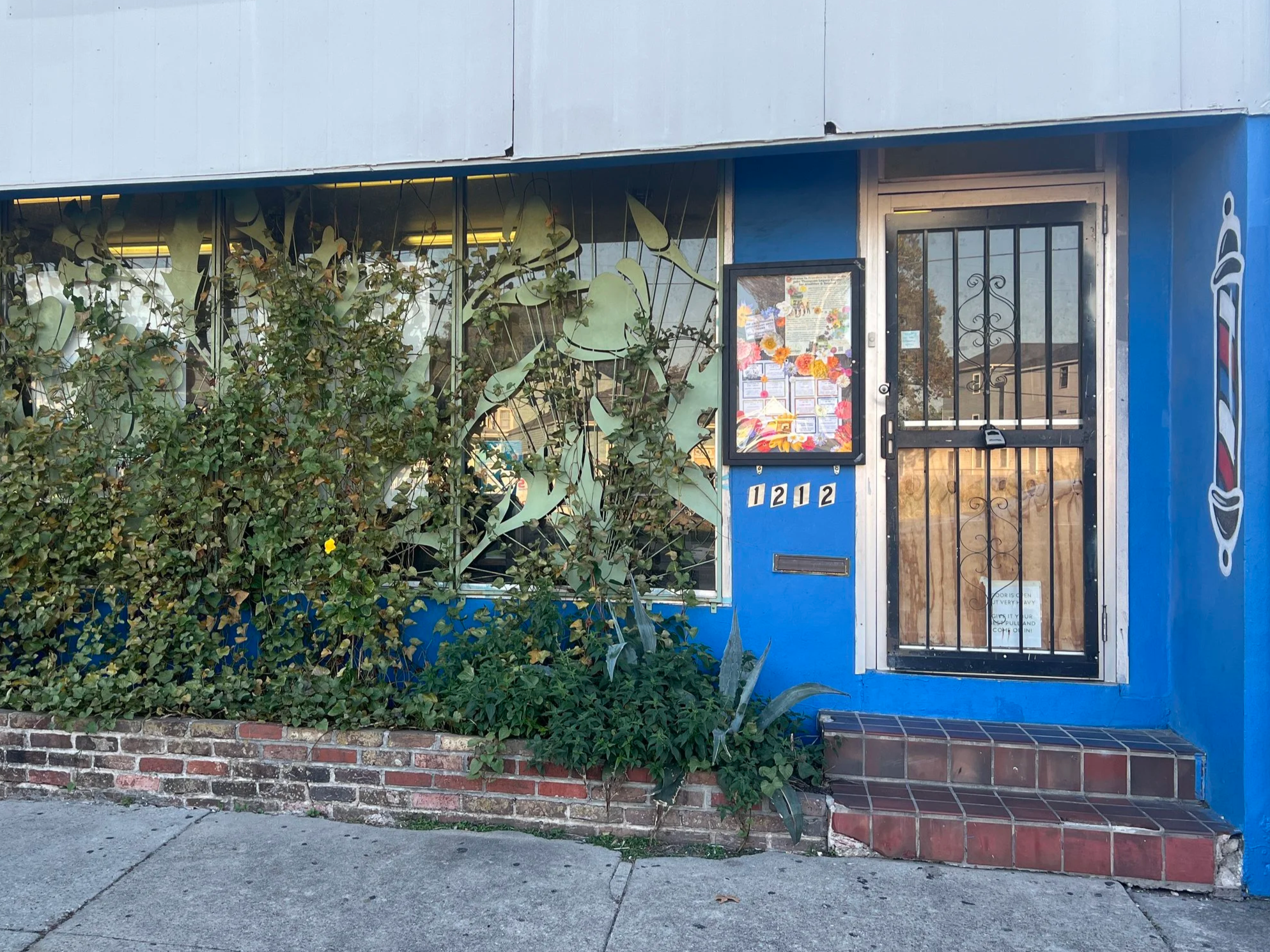
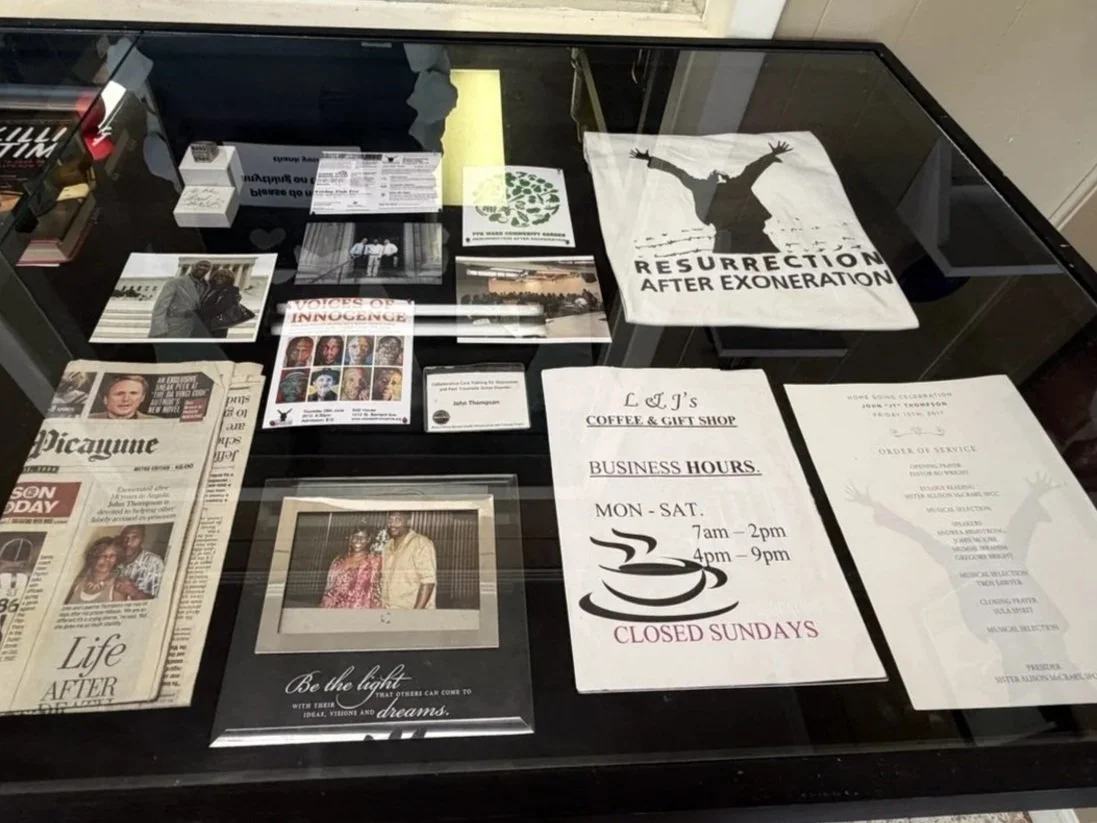
Despite this setback, JT went on to establish Resurrection After Exoneration (RAE) at 1212 St. Bernard Avenue. RAE began as an organization to support people like him returning home, blooming into a powerful center of the movement. He spent his life fighting for the prosecutorial accountability that he was denied, and fought to abolish the dealth penalty.
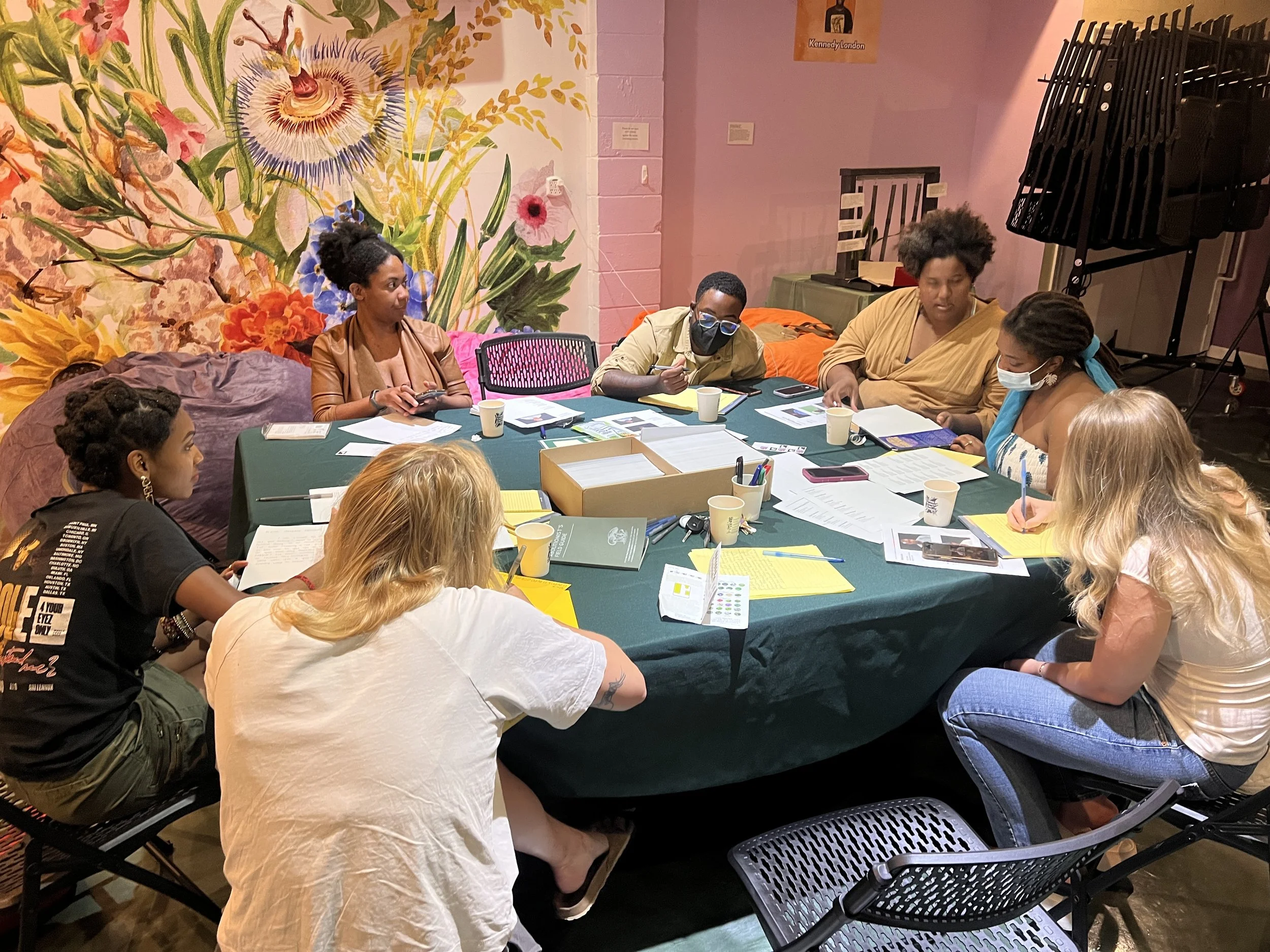
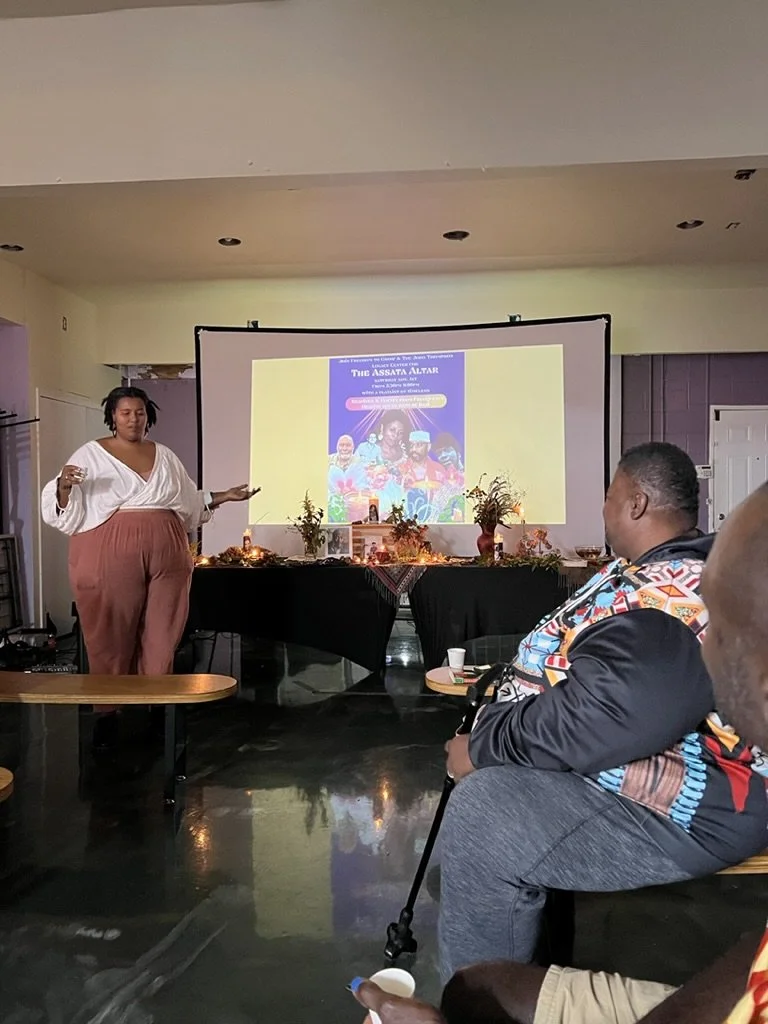
Following JT’s untimely death in 2017, LaVerne Thompson, Promise of Justice Initiative, and jackie sumell established the John Thompson Legacy Center (JTLC) to bring together those who loved and learned from JT. Located in the 7th Ward, it continues JT’s legacy as a space that contributes to mutual aid efforts, offers the neighborhood disaster resilience through our solar-powered generators, and hosts workshops, community education events, and art installations.
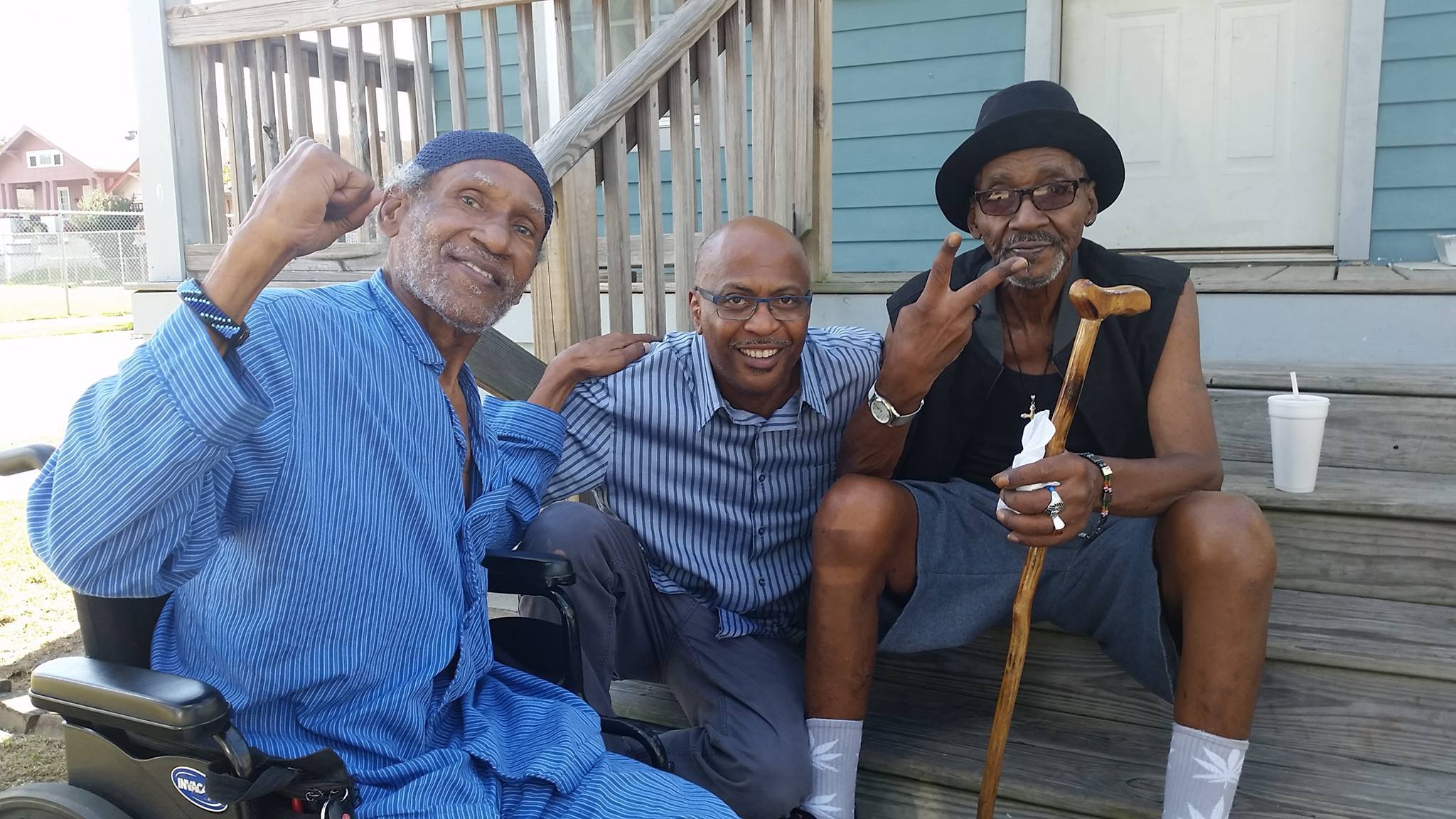
MUSEUM FOR ABOLITION AND BEYOND
Looking to the future while honoring the past, the Museum for Abolition and Beyond will explore the ways art can uniquely convey abolitionist principles to those who may be resistant or unaware. Focusing on the powerful role art plays in the abolitionist imagination, the museum will inspire radical creativity and play, urging visitors to collaborate on new visions for the future.
Exhibits will demonstrate how art has served—and continues to serve—as a powerful medium for education and mobilization around abolition. Through curated displays and interactive experiences, visitors will be invited to envision and contribute to a future without prisons, fostering a collective sense of possibility and purpose.
Freedom to Grow will host an Artist-in-Residence (AIR) program to commission new works in relation to our mission, pulling inspiration from our Resurrection Archives. The residency program will include dedicated studio space, connection to a diverse range of thought partners, and access to the archive for artists engaging with themes of abolition, justice, and liberation.
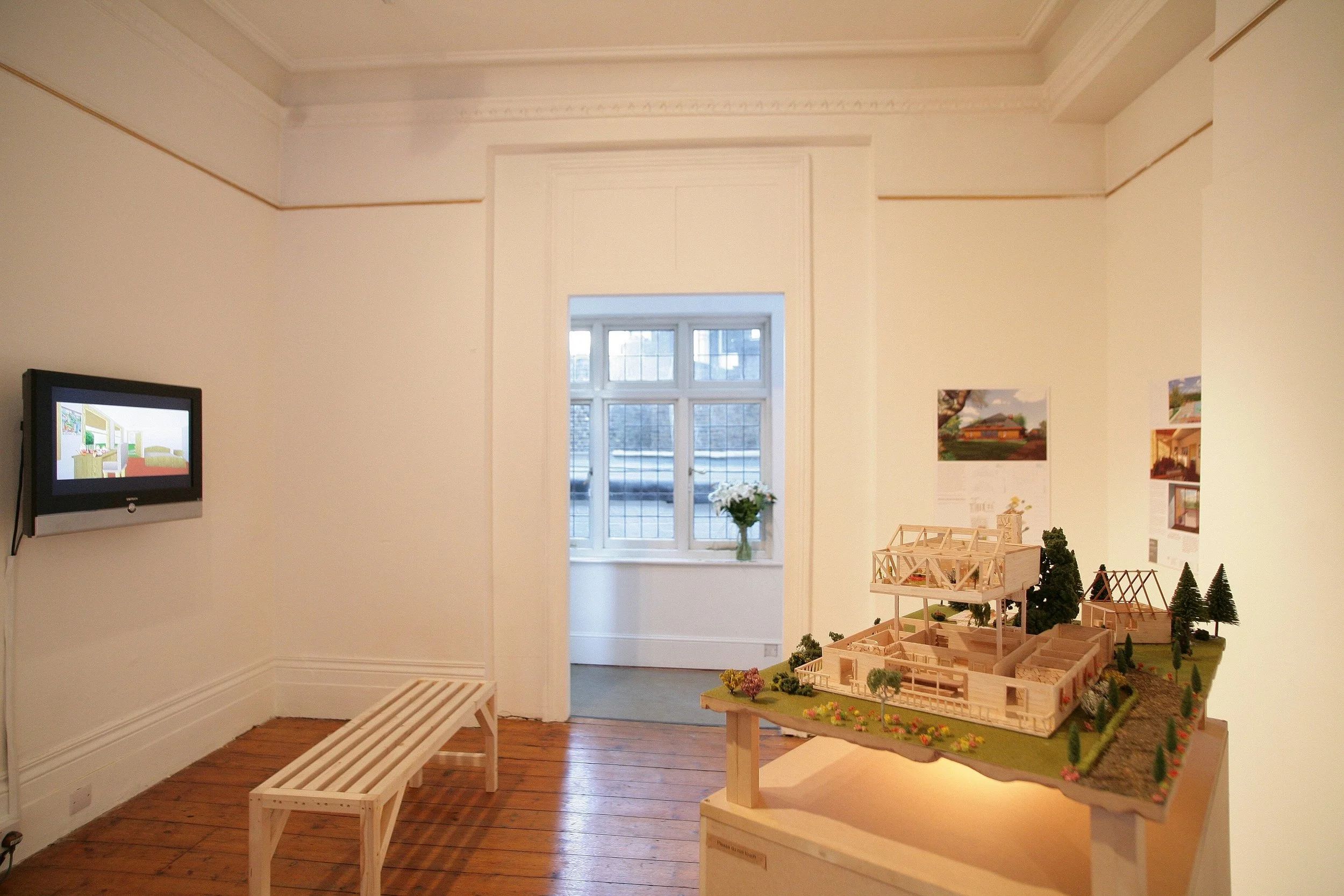

RESURRECTION ARCHIVES
Our movement elders offer wisdom, clarity of vision, and profound lessons learned through mistakes and triumphs that can guide us through uncertain moments towards our own action. The Resurrection Archives honors and uplifts the legacy of those whose organized resistance bends the universe. The archives will preserve the stories of people who defied and sometimes eradicated confinement, providing shape to our movements today.
A site of continuous confinement for over 200 years, the soil currently occupied by the Louisiana State Penitentiary at Angola holds answers to some of our most urgent questions. Our archival excavation begins there, uplifting the unbroken chain of protest, organizing, and deep care that has also marked the passage of time on those 18,000 acres.
We do this by creating archival portraits of freedom fighters, caregivers, and quiet organizers, recording the full breadth of the lives of those whose courage have paved the way for abolitionist visions. We then link those archives to the movements they’ve dreamed and steered, documenting legacies of brilliant strategy, vibrant imagination, and steadfast commitment to mentorship and building community power.
LEGACY GARDENS
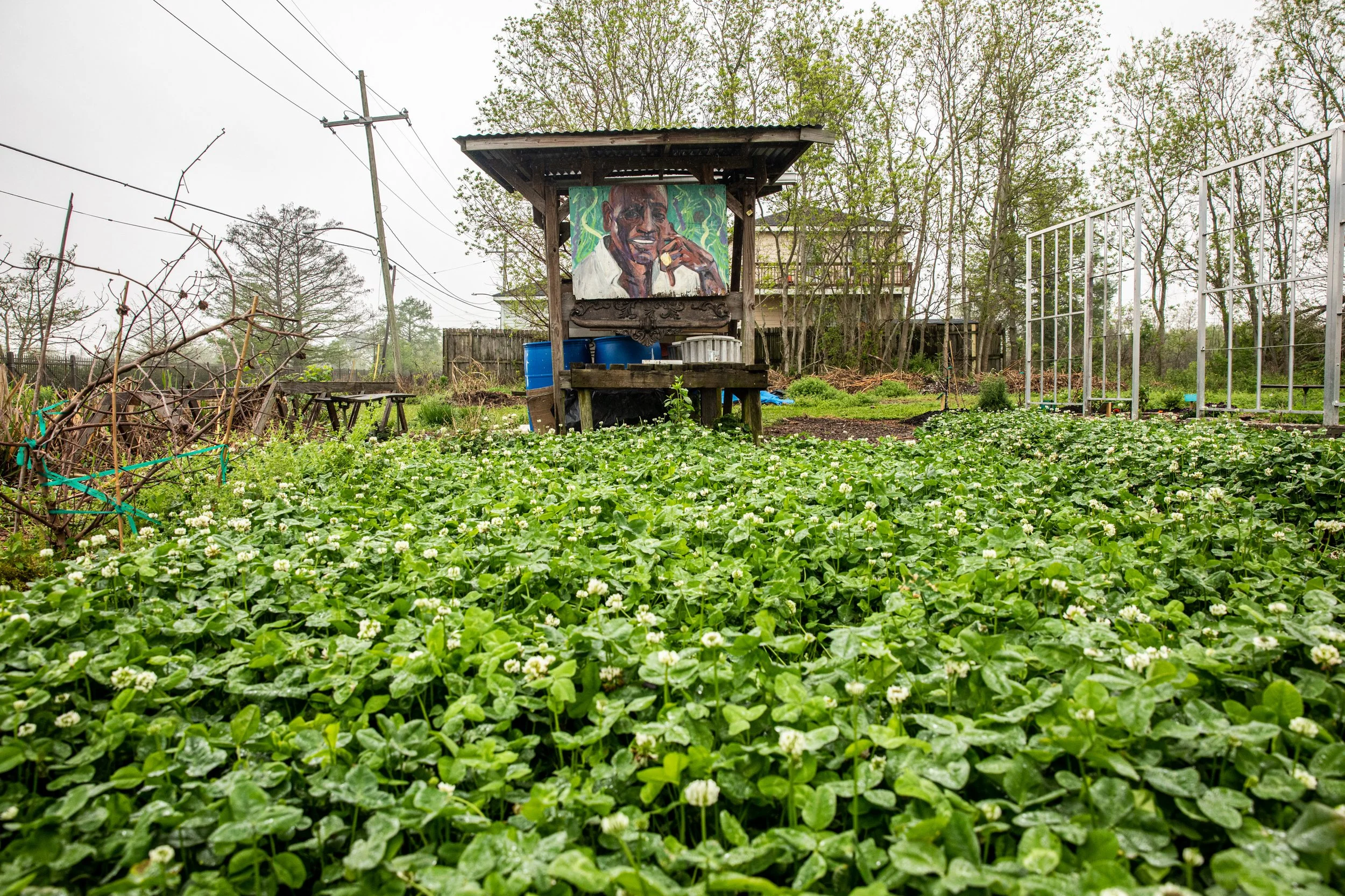
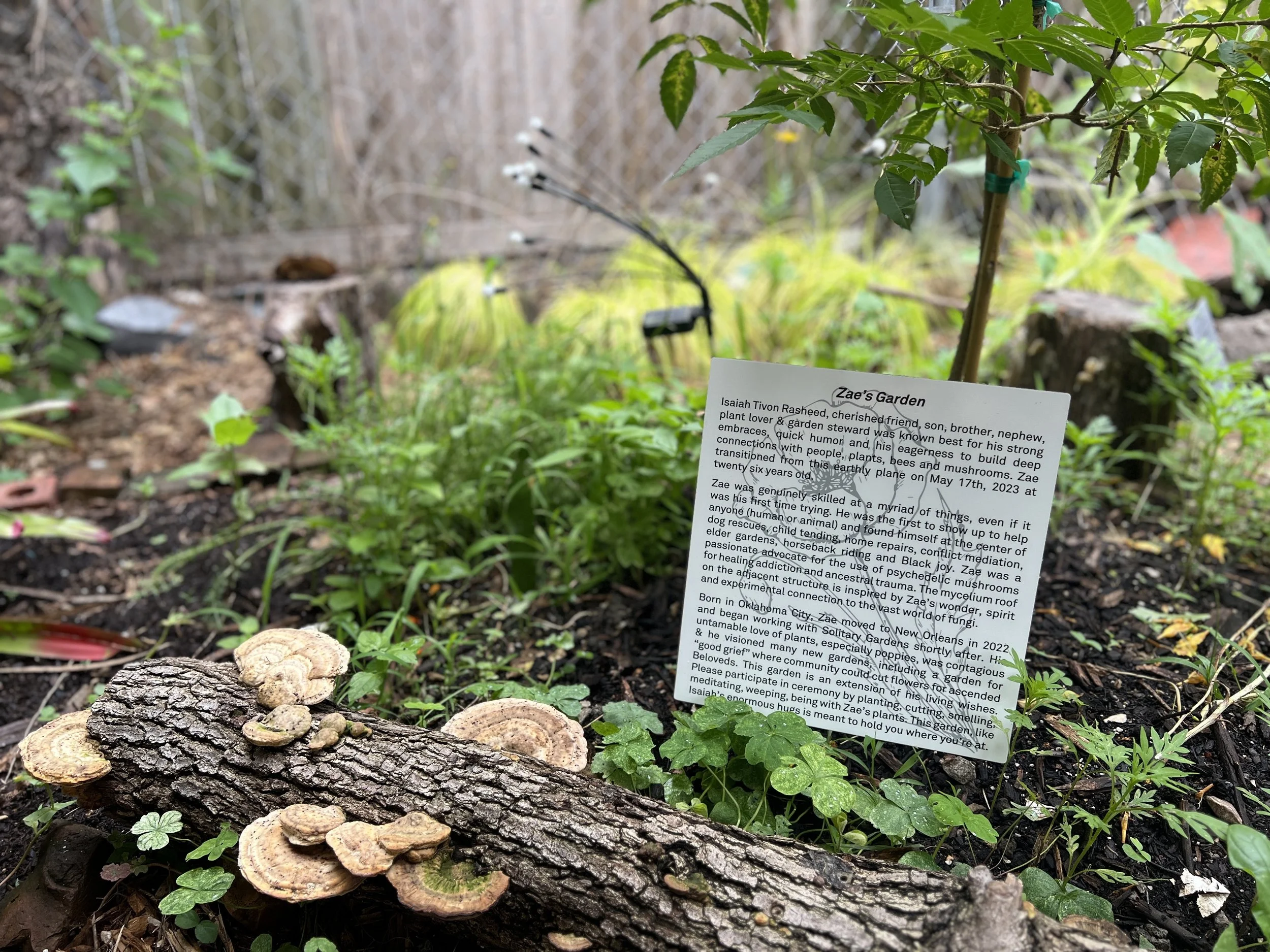
Building on the accomplishments of the Abolitionist’s Sanctuary & Solitary Gardens, we are curating gardens to serve as living archives–verdant spaces where plants with medicinal, historical, and personal significance to figures featured in the Legacy Center will preserve collective memory. Each garden will invite community members, particularly those impacted by carceral systems, to engage with the legacy of elders as they are held by the beauty and unique storytelling power of the natural world.
The gardens will act as a living testament to the significance of plants and nature in the histories of resistance and liberation, grounding visitors as they connect the sometimes-challenging content of the past, present, and future. The Legacy Gardens will also contribute to the Center’s sustainability and green infrastructure, offering an antidote to the carceral experience of concrete, steel, and isolation from nature.
As part of our wellness programming, the satellite and on-site Legacy Gardens will fuel the Abolitionist’s Apothecary, which offers sliding-scale healing resources to individuals impacted by systemic injustice.
ORGANIZING LAB
The JTLC Organizing Lab is dedicated to fostering the next generation of movement leaders. With space for archivists, artists, and organizers to converge and share research, engage in collaborative learning, and create new work, the Organizing Lab will honor John Thompson’s wild imagination and commitment to community.
If you’d like to book the JTLC for your next gathering, meeting, or event, please email info@freedomtogrow.org